Cooked Beef Liver for Cats: A Complete Nutritional Guide to Benefits, Safety, and Responsible Feeding

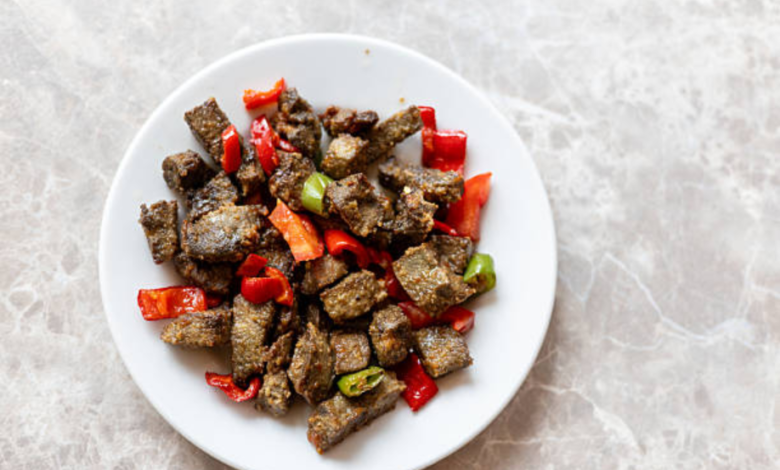
When it comes to nutrient-dense foods for cats, very few ingredients compare to beef liver. Often referred to as nature’s multivitamin, beef liver contains an extraordinary concentration of essential vitamins, minerals, and amino acids that support nearly every system in a cat’s body. When prepared correctly, cooked beef liver for cats can be one of the most beneficial treats available, offering both exceptional flavour and functional nutrition.
Cats are obligate carnivores, meaning their bodies are biologically designed to obtain nutrients from animal sources. Organ meats, particularly liver, play a crucial role in meeting these requirements. However, because liver is so nutrient-rich, it must be fed carefully and in appropriate amounts. This guide explains exactly why cooked beef liver is beneficial for cats, how it supports feline health, and how to feed it safely as part of a balanced diet.
Why Beef Liver Is So Important in Feline Nutrition
In the wild, cats consume entire prey animals. This includes muscle meat, organs, bones, and connective tissue. Organ meats are essential because they provide nutrients that muscle meat alone cannot supply in sufficient quantities. Liver, in particular, acts as a storage organ for vitamins and minerals, making it one of the most nutritionally concentrated foods available.
Beef liver stands out due to its rich nutrient profile and high palatability. Cats are instinctively drawn to liver because it delivers the nutrients their bodies crave. When cooked gently or freeze-dried after cooking, beef liver retains most of its nutritional value while offering improved safety and convenience.
Nutritional Profile of Cooked Beef Liver for Cats
Cooked beef liver contains an impressive range of nutrients that support overall feline health. These nutrients are naturally occurring and highly bioavailable, meaning a cat’s body can absorb and use them efficiently.
One of the most significant nutrients in beef liver is vitamin A. Vitamin A plays a vital role in vision, immune system function, cellular growth, and skin health. Cats cannot convert beta-carotene from plants into vitamin A, so they must obtain it directly from animal sources like liver.
Beef liver is also an excellent source of iron. Iron is essential for the formation of healthy red blood cells and proper oxygen transport throughout the body. Adequate iron levels help maintain energy, stamina, and overall vitality.
Why Cooking Beef Liver Matters for Cats
While some pet owners choose raw feeding, many prefer cooked beef liver for safety reasons. Raw organ meats can carry harmful bacteria such as Salmonella or E. coli, which may pose risks to both cats and humans handling the food.
Cooking beef liver helps reduce bacterial contamination while preserving most of the liver’s nutritional value when done properly. Gentle cooking methods or freeze-drying after cooking minimise nutrient loss while ensuring safety.
Cooked beef liver treats also offer greater convenience. They are shelf-stable, easy to portion, and require no refrigeration once prepared. This makes them ideal for daily use as treats or meal toppers.
Palatability and Appetite Stimulation
Cooked beef liver has a strong aroma and rich, savoury flavour that cats find irresistible. This makes it an excellent option for cats that are picky eaters or have reduced appetite.
Many cat owners use cooked beef liver as a high-value treat or crumble it over regular meals to encourage eating. This can be especially helpful for senior cats, cats recovering from illness, or cats experiencing stress-related appetite loss.
Because liver is so flavourful, even small amounts can significantly enhance meal appeal.
Digestibility and How Cats Process Beef Liver
Beef liver is highly digestible when fed in appropriate portions. Its soft texture and nutrient composition align well with a cat’s digestive system. However, because it is extremely nutrient-dense, overfeeding can cause digestive upset or nutritional imbalance.
Cats metabolise fat-soluble vitamins differently than water-soluble vitamins. Vitamin A, in particular, accumulates in the body over time. Excessive intake of liver can lead to hypervitaminosis A, a condition that may cause joint stiffness, bone abnormalities, and reduced mobility.
For this reason, cooked beef liver should never replace a complete and balanced diet. It should be offered as a treat or supplemental food only.
See also: What to Expect From Your Veterinary Visit: Pet Health Tips
Safe Feeding Guidelines for Cooked Beef Liver
Moderation is essential when feeding cooked beef liver to cats. While it offers powerful health benefits, small portions are more than sufficient.
As a general guideline:
Cooked beef liver treats should make up no more than ten percent of a cat’s daily caloric intake.
Most cats only need one or two small pieces per serving.
Feeding liver two to three times per week is usually sufficient.
When introducing cooked beef liver for the first time, start with a very small amount and observe your cat’s reaction. Monitor stool consistency and overall behaviour. If loose stools occur, reduce the portion size.
Always provide fresh water, especially when feeding freeze-dried liver treats.
Benefits for Skin, Coat, and Overall Appearance
One of the most noticeable benefits of feeding cooked beef liver responsibly is improvement in skin and coat condition. The combination of vitamin A, zinc, and B vitamins supports healthy skin cell turnover and oil production.
Cats receiving appropriate amounts of liver often develop:
Shinier, softer coats
Reduced shedding
Improved skin hydration
Fewer dry or flaky patches
These visible improvements are a sign that the cat is receiving essential micronutrients in a bioavailable form.
Energy, Immunity, and Long-Term Health Support
The iron and B vitamins in cooked beef liver support energy production and stamina. Cats with adequate iron levels are less likely to experience lethargy or weakness.
The immune system also benefits from the nutrients in liver. Vitamin A plays a key role in maintaining mucosal barriers, while zinc and copper support immune cell function. Together, these nutrients help cats respond more effectively to environmental stressors and illness.
When fed responsibly, cooked beef liver can contribute to long-term health by supporting metabolic efficiency, tissue repair, and immune resilience.
Using Cooked Beef Liver as Training Rewards or Meal Enhancers
Cooked beef liver makes an excellent high-value reward for training or behaviour reinforcement. Its strong scent and taste quickly capture a cat’s attention, making it effective for positive reinforcement.
It can also be crumbled into fine pieces and sprinkled over regular meals to enhance flavour and nutritional content without overwhelming the diet.
Because liver is so rich, a small amount goes a long way.
Why Choose Wild Instinct Pet Cooked Beef Liver for Cats
Wild Instinct Pet cooked beef liver cat treats are crafted with quality, safety, and nutritional integrity in mind. They contain no fillers, no artificial additives, and no unnecessary ingredients. Each piece delivers clean, species-appropriate nutrition that aligns with a cat’s biological needs.
By choosing Wild Instinct Pet, cat owners can trust that they are feeding a treat that supports health rather than compromising it.
Conclusion
Cooked beef liver for cats is one of the most nutrient-dense treats available. Rich in essential vitamins and minerals, highly palatable, and easy to digest, it supports vision, immunity, skin health, and energy levels when fed responsibly.
The key to success lies in moderation. When offered as an occasional treat or supplement, cooked beef liver can be a powerful addition to a cat’s diet, delivering both nutritional benefits and irresistible flavour.