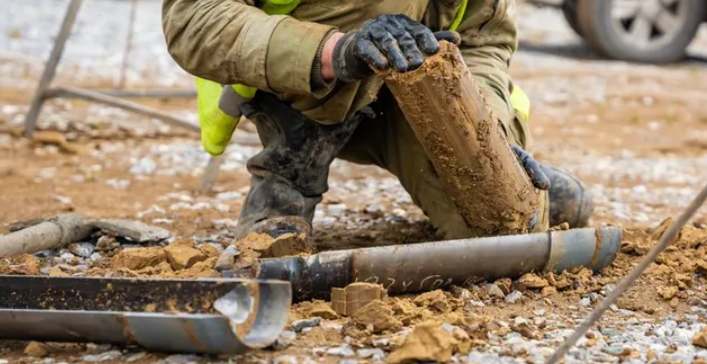
In civil engineering and landscaping, ensuring soil stability is crucial for the longevity and safety of structures. Roads, slopes, embankments, and retaining walls all rely on proper reinforcement to maintain integrity. Without adequate measures, soil can shift, settle unevenly, or erode, resulting in structural damage and costly repairs.
Modern materials have revolutionized soil stabilization, providing engineers and landscapers with solutions that are both efficient and durable. Among these materials, geotextiles are particularly valuable due to their ability to strengthen soil, improve load distribution, and facilitate drainage.
Understanding Soil Pressure and Instability
Soil naturally exerts lateral pressure on any structure that restrains it. Environmental factors, including rain, freeze-thaw cycles, and additional loads, can increase this pressure, leading to several common challenges:
• Uneven settlement and shifting of soil
• Increased stress on retaining walls and embankments
• Erosion of fine soil particles
• Instability in sloped terrains
Proper reinforcement helps manage these forces, preventing deformation and structural failure.
The Role of Geotextiles in Modern Construction
Geotextiles are engineered synthetic fabrics designed to interact with soil in a way that improves its structural performance. They serve multiple purposes, including reinforcement, separation, filtration, and drainage, making them essential for a wide range of projects.
Key Benefits of Geotextile Reinforcement
Geotextile reinforcement provides critical geotextile reinforcement support where traditional soil stabilization methods may fall short. It helps distribute forces across a wider area, maintains soil alignment, and prevents failure under heavy loads.
Load Distribution and Soil Stability
The primary function of geotextile reinforcement is to strengthen soil layers by holding them together. This reinforcement reduces lateral movement and distributes stress evenly, minimizing the risk of bulging or shifting, which is especially important for embankments and retaining structures.
Enhanced Drainage
In addition to reinforcement, geotextile fabrics allow water to pass through, preventing hydrostatic pressure buildup. Efficient drainage reduces erosion, maintains soil integrity, and prolongs the life of the reinforced structure.
Applications Across Various Construction Projects
Geotextile reinforcement is versatile and can be applied in numerous civil engineering and landscaping contexts.
Road Construction
Weak subgrade soils can cause rutting, cracking, and premature pavement deterioration. Placing geotextile layers between the subgrade and aggregate base distributes traffic loads efficiently, improving durability and reducing maintenance costs.
Retaining Walls and Slopes
Retaining walls and sloped areas are vulnerable to soil pressure and environmental stress. Geotextile reinforcement stabilizes these areas, controls lateral pressure, and minimizes erosion, resulting in safer and longer-lasting structures.
Embankments and Bridges
In infrastructure projects such as bridges and highway embankments, geotextile reinforcement improves load-bearing capacity and minimizes settlement. It ensures stability and longevity, even under heavy traffic and environmental stress.
Environmental Projects
Erosion control and land protection projects benefit significantly from geotextile reinforcement. It stabilizes soil along riverbanks, shorelines, and environmentally sensitive areas, while allowing water to flow naturally, reducing environmental disruption.
Installation Best Practices
Even the highest-quality geotextile reinforcement can underperform if not installed correctly. Proper installation ensures maximum effectiveness and longevity.
Site Preparation
Before installation, the area should be cleared of debris, roots, and sharp objects. A smooth and level surface ensures full contact between the geotextile and soil, enhancing stability.
Proper Placement and Overlap
Geotextile layers should be laid flat with adequate overlap between sheets. Correct anchoring prevents soil migration and maintains continuity across the reinforced area.
Backfill and Compaction
Using clean, well-draining backfill material is essential for maintaining effective drainage. Compaction should be performed gradually to avoid overloading the fabric and to ensure even distribution of stress.
Durability and Long-Term Benefits
Geotextile reinforcement is highly durable, resistant to moisture, chemical degradation, and biological activity. When installed correctly and protected from sunlight, it can provide decades of reliable performance, reducing repair costs and supporting sustainable construction practices.
Cost Efficiency and Long-Term Value
While geotextile reinforcement may increase initial project costs, it offers significant long-term savings. Structures reinforced with geotextile require fewer repairs, lower maintenance, and have extended service life. Additionally, optimized load distribution can reduce the need for overly thick retaining walls or excessive material usage.
See also: AI Age Verification: Faster, Safer, and Smarter Compliance for Digital Businesses
Common Installation Mistakes to Avoid
To maximize performance, it is important to avoid common errors during installation:
• Using an inappropriate type of geotextile
• Poor site preparation and debris removal
• Insufficient overlap or anchoring of layers
• Low-quality backfill or improper compaction
Adhering to proper design and installation standards ensures consistent performance and longevity.
Environmental Advantages
Reinforced structures reduce erosion and sediment runoff, protecting surrounding land and waterways. Longer-lasting installations also minimize material consumption and waste, supporting environmentally responsible construction practices.
Conclusion
The stability and durability of soil-supported structures depend on proper reinforcement, load management, and drainage control. Geotextile reinforcement enhances soil stability, distributes loads efficiently, and allows effective water movement. Its versatility and durability make it suitable for roads, slopes, retaining walls, embankments, and environmentally sensitive areas.
When combined with correct installation techniques, geotextile reinforcement provides safe, reliable, and long-lasting performance. Investing in this material ensures that construction and landscaping projects remain durable, efficient, and cost-effective for many years.