Designing storage is no longer just about finding extra space. It is about creating systems that improve daily routines, reduce stress, and support a more efficient lifestyle. When closets and garage areas are planned together instead of separately, the result is a home that feels more organized, functional, and easy to manage.
Lifestyle Mapping Before Design
One overlooked step in storage design is understanding daily habits. Instead of starting with shelves or cabinets, begin by analyzing how items move through your home. Clothes, shoes, tools, and equipment all follow patterns of use.
Closets often support daily routines, while garage spaces handle weekly or occasional tasks. Mapping these behaviors helps determine where items should live and how accessible they need to be. This foundation leads to smarter layouts that truly serve your lifestyle rather than forcing you to adapt to the space.
Zoning for Better Efficiency
Zoning is a powerful strategy that can be applied to both closets and garages. In closets, zones can include sections for workwear, casual clothing, and accessories. In garages, zones can be created for tools, sports gear, and maintenance supplies.
By assigning each category its own area, you eliminate confusion and prevent clutter from spreading. This way of doing things also makes it easier to stay organized because everything has a clear place to go.
Vertical Expansion for Hidden Capacity
Many homes fail to use vertical space effectively. Both closets and garages benefit from extending storage upward. Taller shelving units, stacked compartments, and overhead storage solutions unlock unused space without expanding the footprint.
In closets, this can mean adding upper shelves for seasonal items. In garages, overhead racks can store bulky equipment that is not needed daily. This approach keeps essential items at eye level while still maximizing overall capacity.
Smart Integration With Custom Designs
Modern storage solutions are increasingly focused on adaptability. Customizable closet systems allow homeowners to modify layouts as their needs change. Adjustable shelves, movable rods, and modular components provide flexibility that fixed designs cannot match.
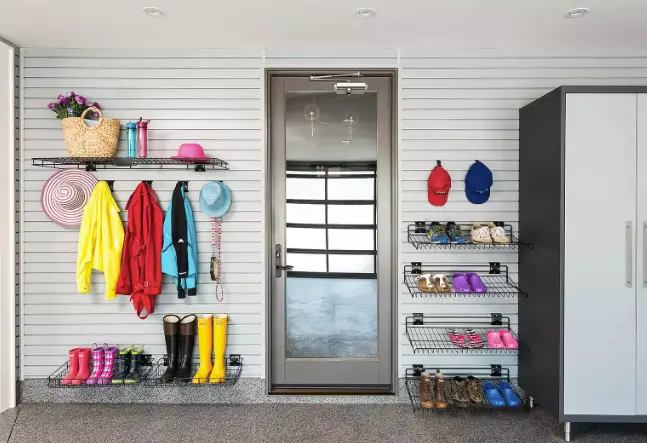
This adaptability can also influence garage layouts. A well-planned garage cabinet system can include adjustable compartments, tool-specific storage, and flexible configurations that grow with changing needs. The goal is to create storage that evolves rather than becoming outdated.
Clutter Prevention Through Accessibility
A major reason clutter builds up is poor accessibility. When items are hard to reach, they are often left out instead of being put away. Designing storage with easy access in mind encourages better habits.
In closets, this means placing frequently used items within comfortable reach. In garage areas, it involves organizing tools and equipment so they can be quickly accessed and returned. Accessibility is not just about convenience. It directly impacts how well a system is maintained over time.
Durability and Material Selection
Closets and garages serve different purposes, which means material choices should reflect their environments. Closet systems often prioritize smooth finishes and visual appeal, while garage storage focuses on durability and resistance to wear.
Choosing the right materials ensures longevity. Strong, easy-to-clean surfaces in garage cabinet setups help handle heavy use, while refined finishes in closets create a polished and organized look. Balancing these elements creates both practicality and style.
See also: What to Expect From Veterinary Visits: Caring for Your Pet’S Health
Designing for Multi-Purpose Use
Modern homes often require spaces to serve more than one function. Closets can include dressing areas or small workspaces, while garages may double as hobby zones or storage hubs.
Designing with flexibility in mind allows these spaces to adapt without losing organization. Incorporating versatile storage elements ensures that, as needs evolve, the space continues to perform efficiently.
Conclusion
Purpose-driven storage goes beyond simple organization. It is about aligning design with lifestyle, improving accessibility, and planning for the future. By combining thoughtful closet strategies with well-structured garage solutions, homeowners can create a unified system that supports every aspect of daily living. The result is a home that feels more intentional, more efficient, and easier to maintain over time.